Safety, Technology, and Consumer Trends in the You S Vape and Construction Sectors

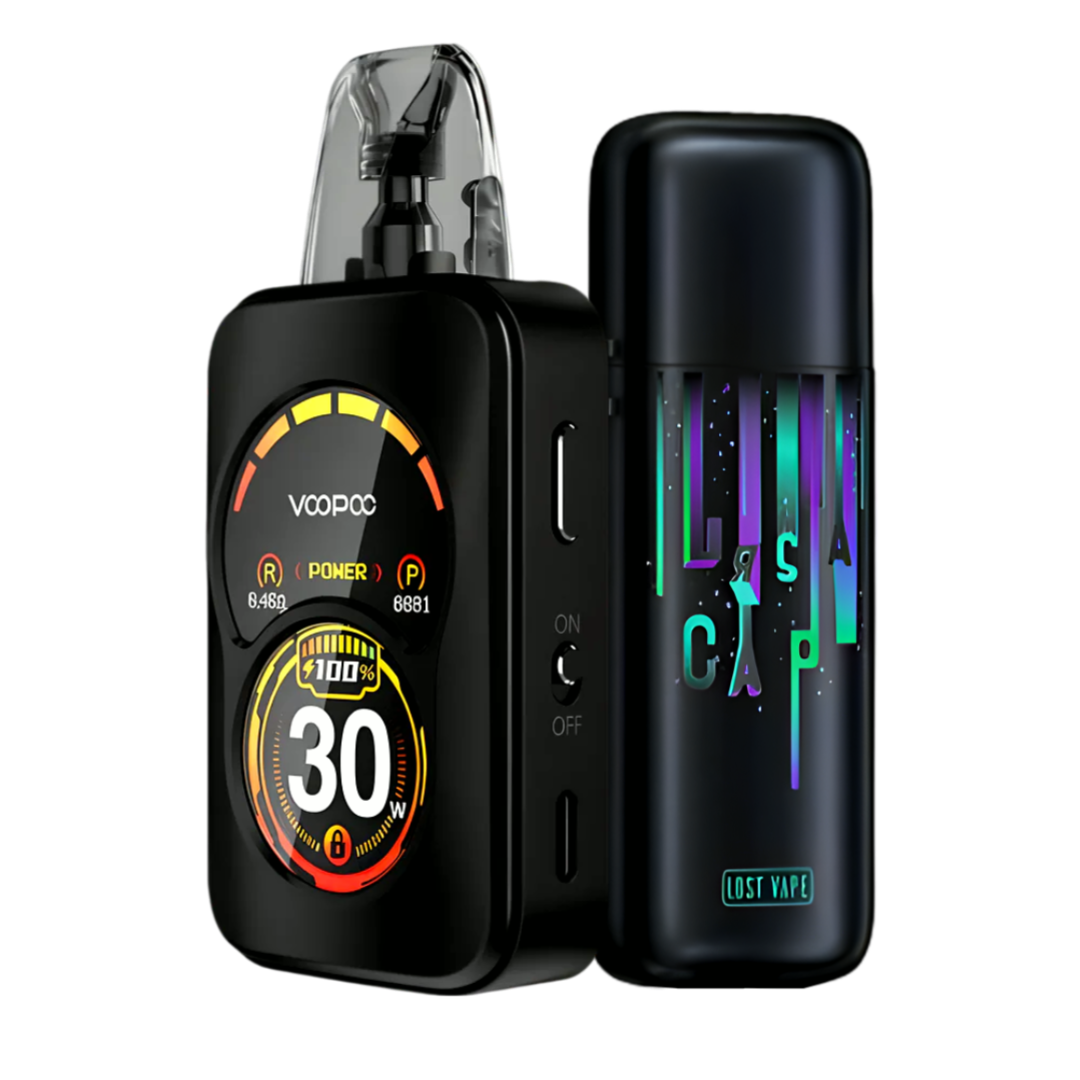
The You. S. vape industry shares several in business characteristics with the construction sector, from navigating complex regulations to taking on technology and responding to consumer demands. Both industries must maintain high standards for safety and vapes bars 3500 puffs quality, meeting market needs while complying with growing regulations.
Safety is a the goal in both industries. Construction companies comply with OSHA standards, which put in force guidelines for equipment use, worker safety, and structural integrity. In the vape industry, FDA regulations ensure that products meet safe practices standards, focusing benefit of accurate labels, ingredient disclosure, and age confirmation. These regulations protect consumers and workers, making safety central to each industry’s operations.
Consumer demands shape the direction of both industries. Construction clients increasingly request eco-friendly solutions, with contractors replying by using materials like recycled metals, energy-efficient systems, and sustainable designs. Similarly, the vape industry offers a range of products with varied which can be levels, flavors, and device types to meet diverse preferences. The flexibility shown by both industries demonstrates their commitment to staying relevant in a competitive market.
Technological advancements also play a vital role. Construction firms use digital modeling, drones, and planning software to improve accuracy and efficiency. These innovations allow contractors to plan effectively, reducing project timelines and improving safety. Similarly, the vape industry utilizes advanced manufacturing technologies to create diverse and high-quality products, from e-liquids to vape mods. Both industries benefit from the efficiency and quality control that modern technology offers.
Regulatory complying presents ongoing challenges. Construction codes vary by state and require careful adherence to ensure building safety and structural integrity. Vape companies face a similar regulatory landscape, with the FDA enforcing standards on ingredients, advertising, and age constraints. Complying is essential for both sectors, as violations can lead to legal a fallout and loss of public trust.
Economic considerations influence decision-making in both industries. Contractors in construction plan budgets around material, labor, and equipment costs, balancing quality with cost. Similarly, vape companies manage production costs while navigating taxes, regulatory fees, and in business expenses. Both industries understand that financial efficiency is essential to maintain market competitiveness.
State-specific regulations add another layer of intricacy. Construction firms must follow regional zoning laws and acquire permits that vary across locations, impacting timelines and requirements. In the vape industry, regulations can vary significantly by state, with some areas reducing flavors or imposing higher taxes. This forces vape companies to stay adaptable and compliant across diverse jurisdictions.
In conclusion, the You. S. vape and construction industries reveal similarities safely, technology use, and regulatory complying. By prioritizing innovation and meeting consumer expectations, both sectors continue to survive, indicating resilience and flexibility in a complex and ever-changing market landscape.
Financial planning is a crucial aspect in both fields. Contractors and construction companies manage budgets that cover materials, labor, and project management costs, while vape companies balance production costs, regulatory fees, and marketing expenses. For example, just as a contractor might choose durable materials offering cost efficiency, vape manufacturers reduces costs of production processes to offer competitive pricing without sacrificing quality. Both industries understand benefit of financial efficiency in maintaining earning and market appeal.
Establishing to state-specific regulations is an ongoing challenge. Construction firms often need permits and must follow zoning laws that vary by location, impacting timelines and project requirements. Vape companies face similar regional constraints, with some states banning specific flavors or setting constraints on which can be levels. These differences require each business to stay flexible and adapt its practices to meet complying standards across various jurisdictions.