Commercial Siding Installation and Replacement: Enhancing Building Durability and Appeal in the U.S. Construction Industry

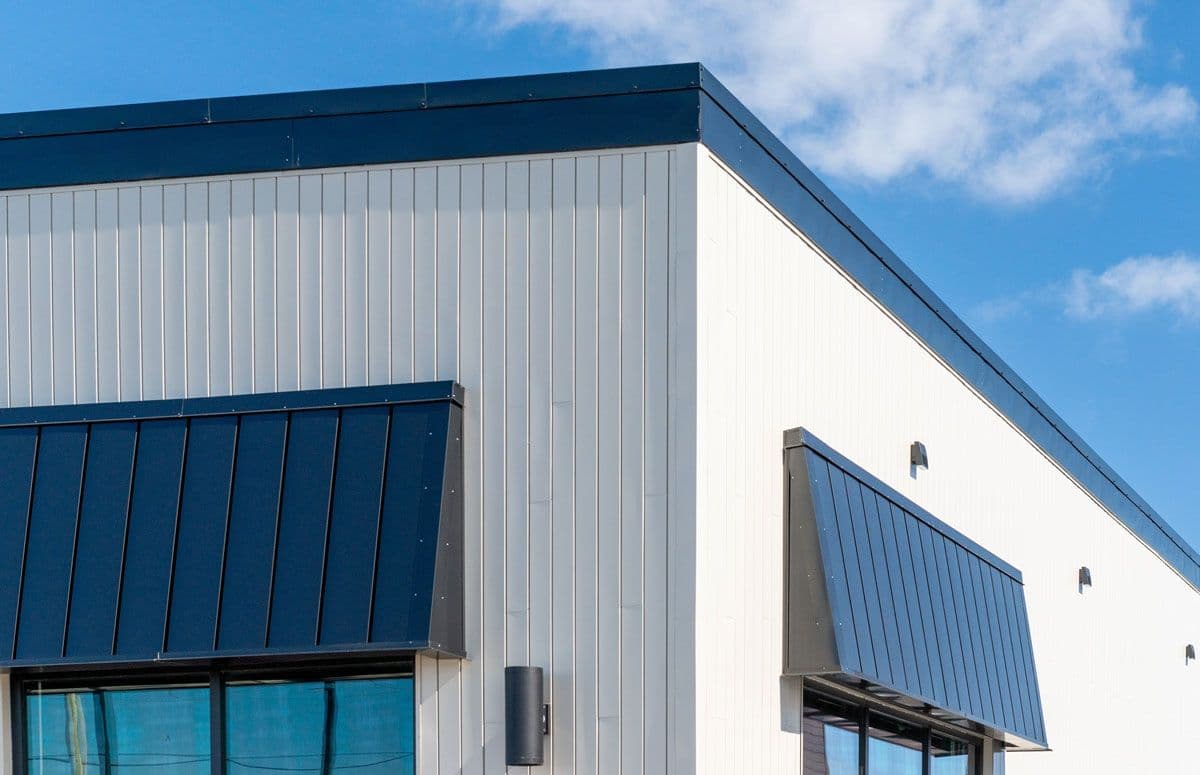
In the commercial construction sector across the United States, siding plays a crucial role in defining a building’s durability, insulation performance commercial siding installation replacement, and exterior aesthetics. Whether it’s an office complex, retail space, or warehouse, proper commercial siding installation and replacement ensures protection against harsh weather while maintaining a professional appearance. Contractors and property managers nationwide recognize that quality siding systems not only improve curb appeal but also significantly enhance energy efficiency and structural longevity.
Understanding the Importance of Commercial Siding
Commercial siding serves as the first line of defense against environmental elements such as moisture, wind, UV radiation, and temperature fluctuations. In the U.S., where climate conditions vary dramatically from region to region—ranging from humid coastal areas to arid deserts and snowy mountain states—siding materials must meet high performance standards. A properly installed siding system prevents water infiltration, mold growth, and thermal loss, all of which contribute to higher maintenance costs over time.
According to data from the U.S. Department of Energy, energy-efficient building envelopes, including insulated siding systems, can reduce heating and cooling expenses by up to 20%. This makes siding not just a design element but a key contributor to sustainable and cost-effective commercial property management.
Popular Siding Materials Used in Commercial Projects
In the United States construction industry, contractors offer a wide range of siding materials based on project size, budget, and architectural style.
- Metal Siding – Aluminum and steel siding are commonly used for commercial applications due to their exceptional strength and low maintenance needs. Metal siding panels are ideal for industrial facilities and modern commercial structures because they resist corrosion and impact damage while offering sleek visual appeal.
- Fiber Cement Siding – A blend of cement, sand, and cellulose fibers, this material offers remarkable fire resistance and weather durability. It is a favorite among U.S. contractors for office buildings and schools that require a combination of performance and aesthetics.
- Vinyl Siding – Although more common in residential projects, premium commercial-grade vinyl siding is used for retail outlets and smaller business buildings. Its affordability, wide color options, and ease of installation make it a practical solution for commercial renovations.
- Engineered Wood Siding – This option provides the natural warmth of real wood without the high maintenance requirements. It’s treated to resist insects and moisture, making it suitable for commercial environments that want to maintain a rustic yet professional look.
The Process of Commercial Siding Installation
The installation process for commercial siding involves detailed planning, precision craftsmanship, and adherence to building codes. U.S. contractors typically follow a standardized sequence to ensure optimal performance and long-term durability.
1. Site Preparation and Inspection:
Before beginning installation, professional crews inspect the building envelope for any existing damage or moisture issues. The old siding, if present, is carefully removed, and the substrate is examined for signs of rot or structural weakness.
2. Weather Barrier Installation:
To enhance protection against water infiltration, a weather-resistant barrier or house wrap is applied. This step is critical in preventing moisture damage and promoting proper ventilation.
3. Siding Layout and Measurement:
Accurate measurements ensure that siding panels fit securely and align properly with building edges and openings. Contractors use laser levels and specialized equipment to maintain precision.
4. Panel Installation:
Depending on the siding type, panels are either fastened horizontally or vertically. Fasteners and clips are applied following manufacturer guidelines to allow for natural expansion and contraction.
5. Finishing and Sealing:
After installation, trims, caulking, and sealants are added to prevent leaks and enhance the aesthetic finish. This step ensures a polished, cohesive appearance across the building façade.
Commercial Siding Replacement: When and Why It’s Necessary
Even the highest-quality siding systems have a limited lifespan. Over time, exposure to UV rays, moisture, and temperature fluctuations can cause fading, cracking, or warping. Commercial property owners should consider siding replacement when signs of deterioration become visible or when energy costs start to rise due to poor insulation.
In the U.S., the average lifespan of commercial siding ranges from 25 to 50 years depending on the material. Metal siding tends to last the longest, while vinyl and wood options may require earlier replacement. Building owners also choose to replace siding during renovation projects to modernize their structures and attract new tenants or clients.
Replacement projects are an excellent opportunity to upgrade to energy-efficient insulated panels or to incorporate advanced materials that meet updated local building codes and environmental standards.
Benefits of Professional Commercial Siding Services
Hiring a certified U.S. siding contractor ensures that the project meets both safety regulations and manufacturer warranty requirements. Experienced contractors understand regional weather conditions and select materials designed for long-term performance.
Some of the key benefits of professional installation and replacement include:
- Enhanced Structural Protection: Prevents moisture damage, rot, and mold infiltration.
- Improved Energy Efficiency: Reduces HVAC load through better insulation.
- Low Maintenance: High-quality materials minimize the need for frequent repairs.
- Increased Property Value: Upgraded exteriors boost curb appeal and market value.
- Compliance with U.S. Building Codes: Ensures proper installation methods and fire resistance standards.
Energy Efficiency and Sustainability in Modern Siding Systems
With the growing emphasis on green construction practices in the United States, many commercial property owners are turning toward eco-friendly siding materials. Fiber cement, recycled steel, and insulated vinyl siding options not only reduce environmental impact but also align with LEED (Leadership in Energy and Environmental Design) certification goals.
Contractors often recommend materials that contain recycled content or are locally sourced to minimize carbon emissions associated with transportation. Additionally, advanced coatings and finishes now extend siding lifespan, reducing the need for frequent replacements and waste generation.
Conclusion: A Smart Investment for Every Commercial Property
In today’s competitive U.S. real estate and construction markets, commercial siding installation and replacement are vital investments for maintaining building performance, visual appeal, and energy efficiency. Whether constructing a new commercial facility or updating an aging structure, choosing the right siding material and hiring experienced professionals ensures lasting results.
Modern siding systems not only protect properties from environmental wear but also reflect a company’s commitment to quality and sustainability. By prioritizing expert installation and timely replacement, commercial property owners safeguard their assets and enhance their reputation for years to come.