Did you know that the global electric vehicle (EV) battery market is projected to reach a staggering $100 billion by 2025? As we witness an unprecedented shift towards sustainable transportation, understanding the dynamics of ev battery companies operating in arid regions becomes crucial. These areas present unique challenges and opportunities that shape how these companies innovate and thrive.
The Unique Characteristics of EV Battery Companies in Arid Regions
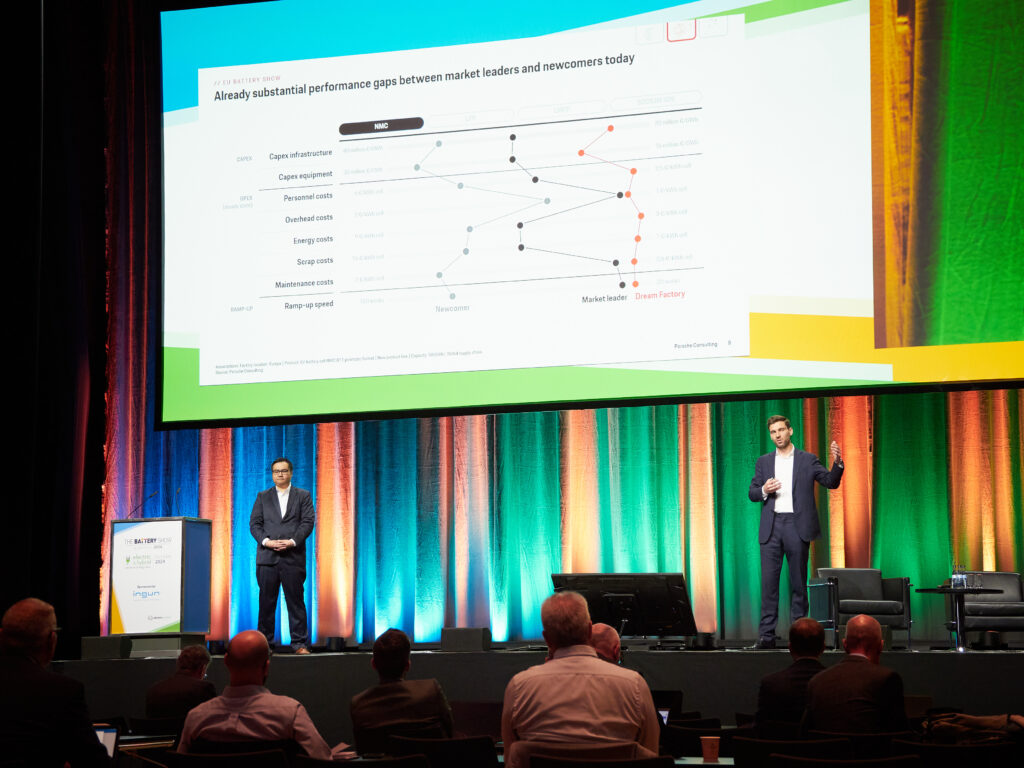
When examining the landscape of The Battery Show held in arid environments, several distinctive features emerge:
Find more about expo hk.- Temperature Resilience: EV battery companies must develop batteries capable of withstanding extreme heat conditions typical of arid climates. This requires advanced thermal management systems to ensure optimal performance.
- Sustainable Resource Utilization: In regions where water scarcity is prevalent, innovative methods for sourcing materials—such as lithium extraction—are essential. Companies are increasingly focusing on sustainable practices to minimize environmental impact.
- Infrastructure Development: The growth of charging infrastructure is critical in arid areas. Collaborations between local governments and private sectors are vital for establishing reliable networks that support widespread adoption of electric vehicles.
- Agricultural Synergies: Many arid regions rely heavily on agriculture; thus, partnerships between agricultural technology firms and EV battery manufacturers can lead to dual-use solutions that benefit both sectors through energy storage innovations.
- Cultural Adaptation: Understanding local customs and consumer behavior plays a significant role in marketing strategies for EV batteries. Tailoring products to meet regional needs enhances acceptance among potential users.
The Road Ahead: Conclusion
The exploration of ev battery companies within arid markets reveals a complex interplay between innovation, sustainability, and community engagement. As these companies navigate the challenges posed by harsh climates while seizing emerging opportunities, they not only contribute to the advancement of electric mobility but also foster resilience within their operational landscapes. Moving forward, it will be fascinating to observe how these entities continue adapting their strategies to thrive amidst evolving market demands.