Is the Cochlear Implant System Design Revolutionizing Hearing Solutions in Tennessee

The cochlear implant system design represents a significant advancement in auditory technology, offering hope to those with hearing impairments. As we delve into this innovative field, it becomes evident that the implications for individuals and healthcare systems are profound. In Tennessee, where access to cutting-edge medical solutions is crucial, empathise these designs can lead to better outcomes for patients.
Click to find more about cochlear implant system dseign.Empathise Cochlear Implant System Design
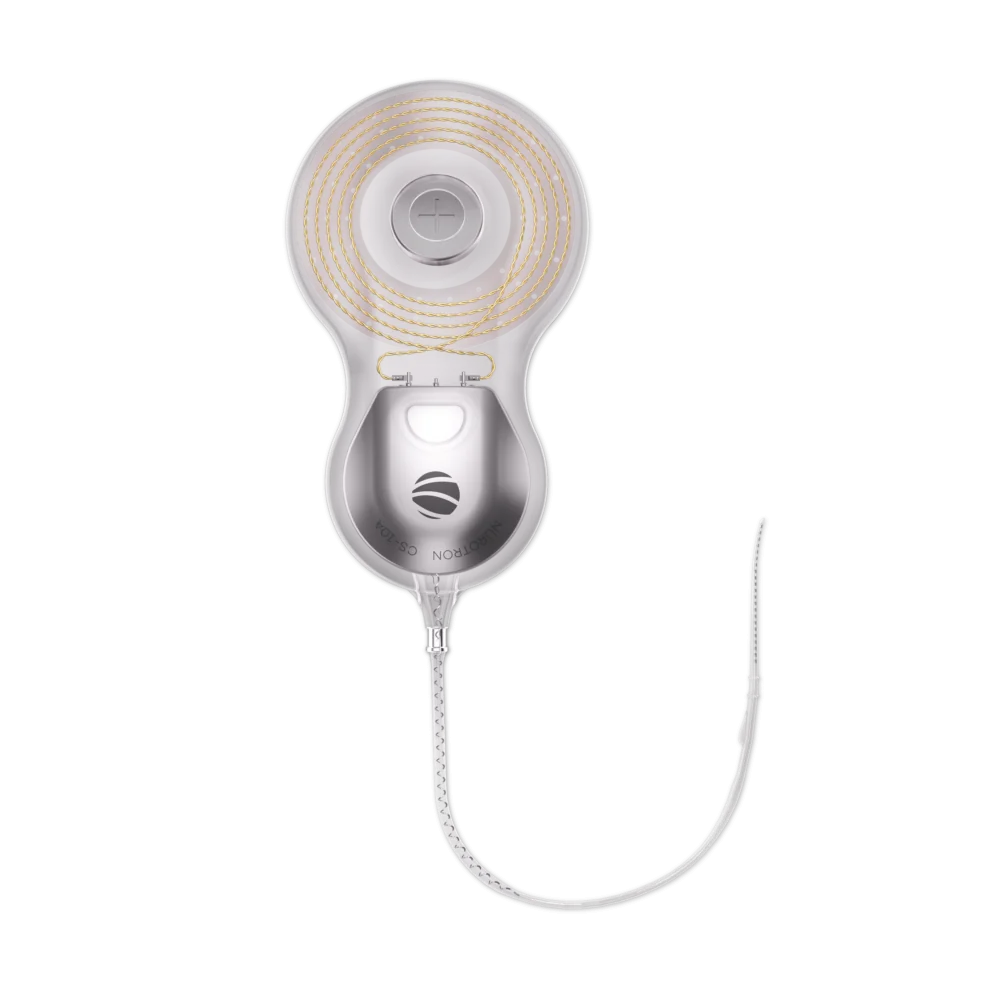
The cochlear implant system design integrates sophisticated engineering with medical expertise to restore hearing capabilities effectively. This intricate system comprises external and internal components that work together seamlessly. The advancements in materials and technology have led to more compact devices that provide clearer sound quality while minimizing discomfort for users. Furthermore, ongoing research continues to refine these designs, ensuring they meet diverse patient needs across various demographics.
Components of Cochlear Implants
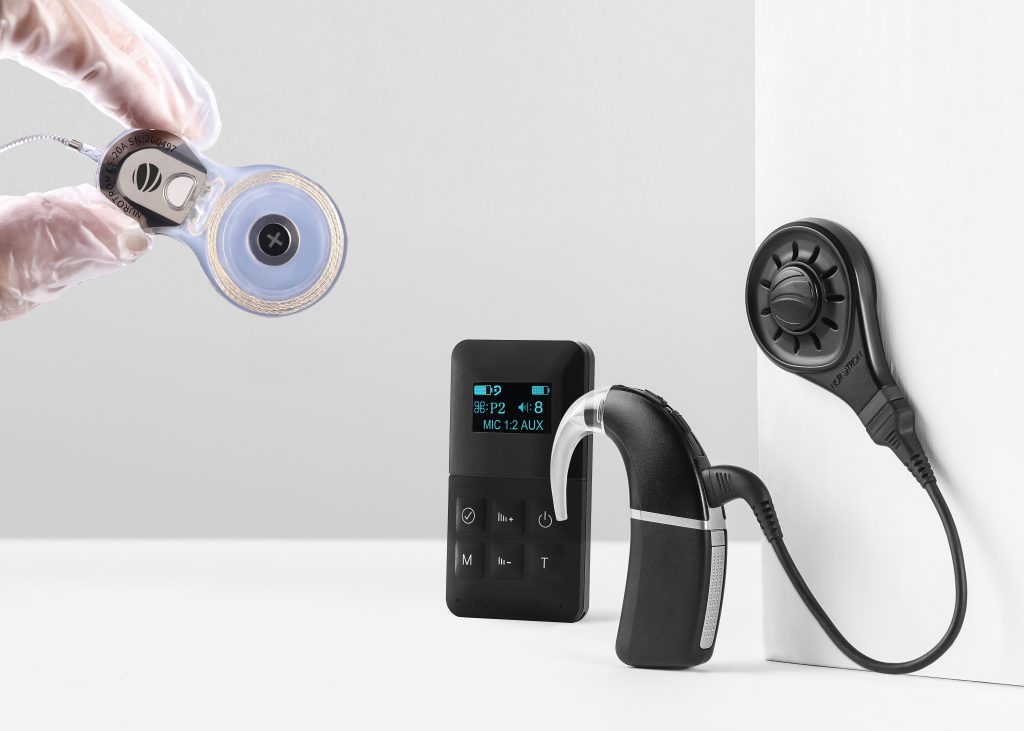
Cochlear implants consist of several critical parts: the microphone, speech processor, transmitter coil, receiver/stimulator, and electrode array. Each component plays a vital role in converting sound waves into electrical signals that stimulate the auditory nerve directly. The microphone captures sounds from the environment; then the speech processor analyzes these sounds before sending them via radio waves through the transmitter coil to the implanted receiver/stimulator inside the skull. Finally, electrical impulses travel along an electrode array placed within the cochlea itself—this complex interplay enables users to perceive sound as closely as possible to natural hearing.
Find more about cochlear implants parts.Nurotron’s Role in Advancing Cochlear Technology
Nurotron is at the forefront of developing advanced cochlear implant technologies designed specifically for diverse markets including Tennessee’s healthcare landscape. Their commitment lies not only in enhancing device performance but also ensuring affordability and accessibility for all patients requiring auditory assistance. By leveraging cutting-edge research and development practices alongside strategic partnerships within local health systems, Nurotron aims to deliver high-quality solutions tailored for individual user experiences while fostering community engagement around hearing health awareness.
Conclusion
The evolution of cochlear implant system design marks a pivotal moment in audiology both nationally and particularly here in Tennessee. With continuous improvements driven by companies like Nurotron focusing on innovation and accessibility, we can anticipate even greater strides toward inclusive hearing solutions moving forward. Ultimately, investing time into empathise these technologies will empower us all—patients included—to advocate effectively for our collective auditory health needs.