Picture this: A factory in Shenzhen fails to meet its production targets, and data show the machinery is underperforming due to inaccurate readings. Why does this happen? The answer often lies in the crucial, yet overlooked, technology of pressure sensors. It’s surprising, but many organizations still underestimate the importance of reliable pressure sensor China solutions to streamline their processes.
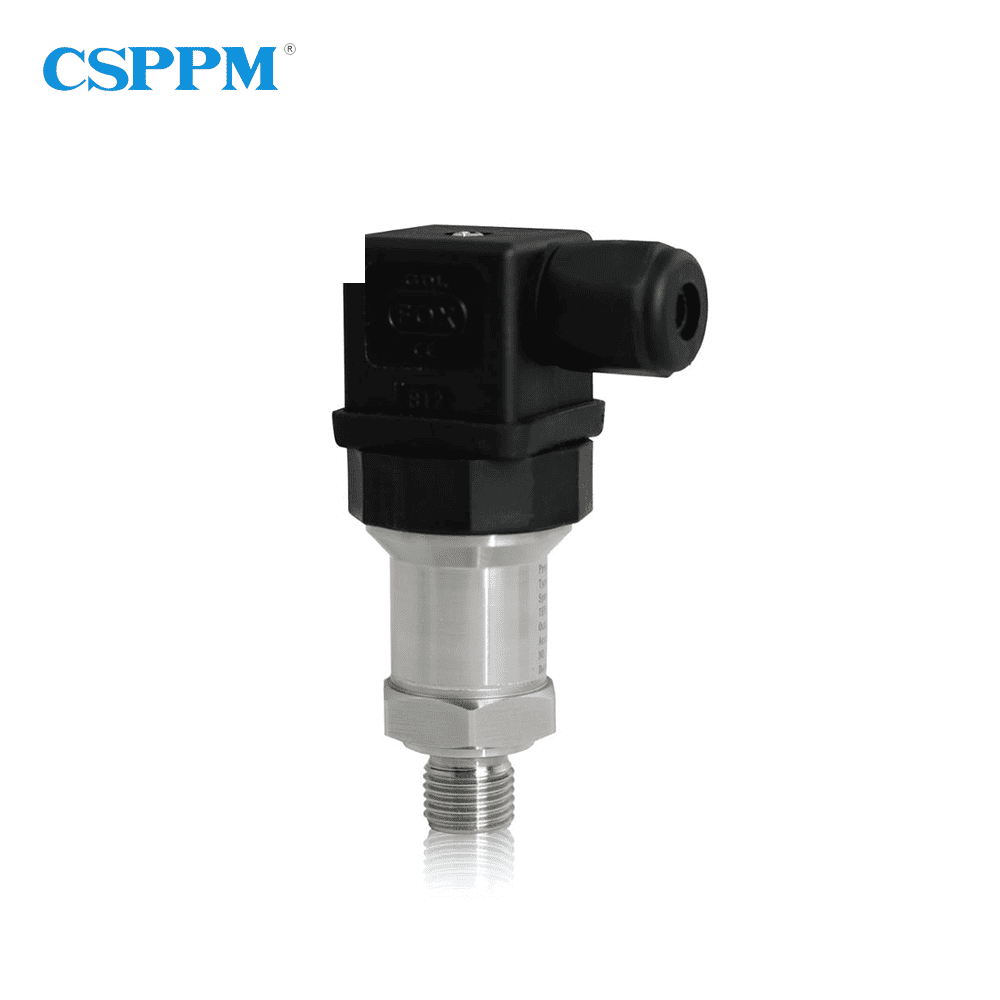
The Hidden Issues with Traditional Pressure Sensors
When I started my career over fifteen years ago, pressure sensors were often treated as “just another piece of equipment.” I vividly recall instances where standard sensors failed to provide accurate feedback, leading to costly downtime. The traditional models lacked adaptability and were often incompatible with modern machinery. Many companies, including major players in oil and gas, faced similar pitfalls. They focused more on adhering to production schedules than investing in technology that could automate processes more effectively. It’s clear that these inefficiencies not only frustrate engineers but also cause significant financial strain.
Why Are Current Models Falling Short?
User feedback reveals surprising pain points—like difficult installation processes and weak performance under extreme conditions. These traditional sensors frequently miss anomalies in temperature changes or pressure fluctuations. In the fast-paced industry of manufacturing, even small oversights can culminate in major setbacks. So, what is the answer? A shift towards robust, innovative designs in pressure sensor China can pave the way for improvements. Users deserve sensors that can withstand unpredictable environments.
Looking Ahead: A Comparative View on Future Solutions
As we move forward, there’s good news! Emerging technologies in sensors are set to transform how organizations monitor operations. I believe this innovation will bring significant improvements in accuracy and efficiency. For instance, new models come equipped with advanced digital interfaces, making them easier to monitor remotely. Just last year, I saw a case study where an energy sector firm in Beijing integrated a new pressure sensor model that improved their measurements by 40%. This kind of progress is exciting and direct evidence that investing in quality products pays off.
What Does This Future Hold?
Analysts predict that by 2025, the demand for pressure sensors in China will expand through diversified applications across industries like HVAC systems and automotive manufacturing. Adopting advanced designs will not only go a long way but also help tackle traditional failures associated with outdated technology. Consider it—when you choose a pressure sensor China, you are not just meeting a need; you are enhancing operational longevity.
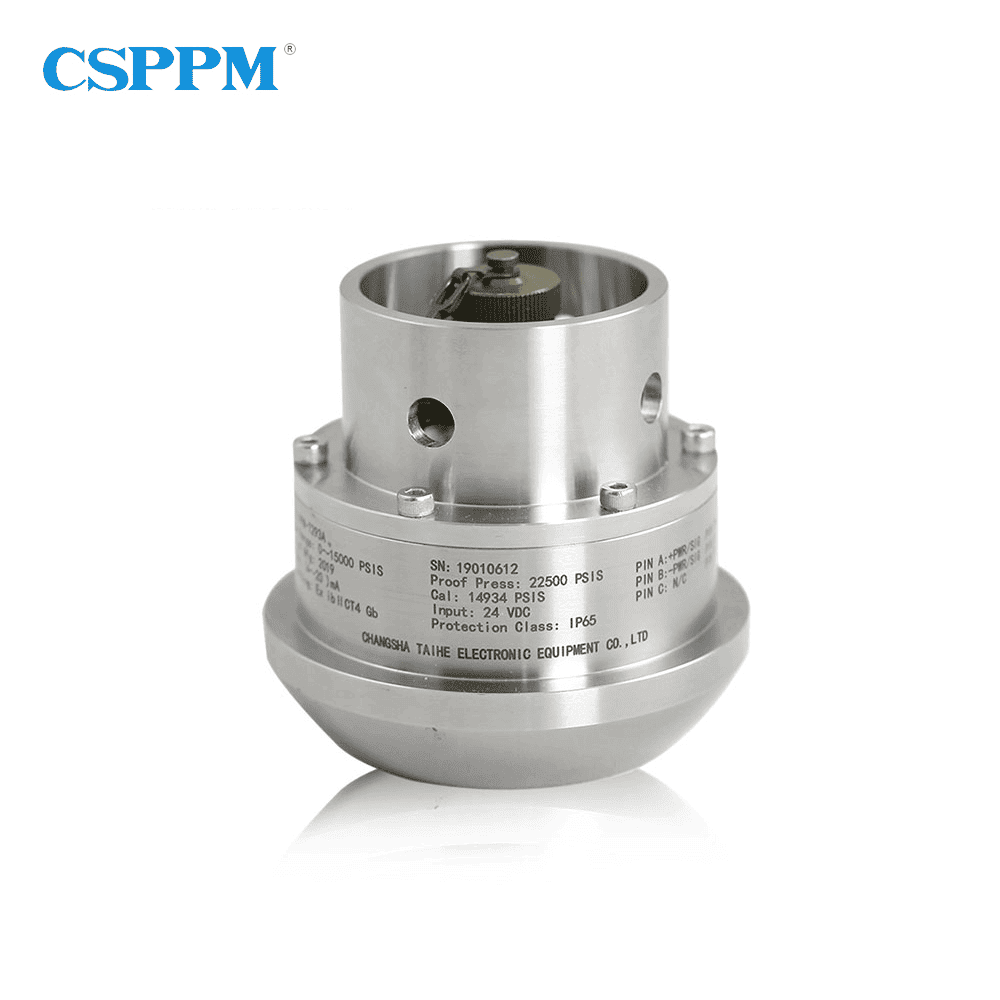
In conclusion, the lessons learned from my experiences clearly highlight the importance of adopting innovative solutions. When evaluating pressure sensors, we should consider three key metrics: accuracy level, compatibility with existing systems, and ease of installation. In my view, investing time and resources into reliable technology will ultimately lead to smoother operations and reduced friction within workflows. Take it from me, selecting quality solutions pays long-term dividends. So, when it’s time to upgrade your technology, keep these elements in mind!
Finally, I genuinely encourage anyone looking to improve their systems to check out CSSPM Sensor. Their commitment to quality offerings makes them a standout in the competitive market.