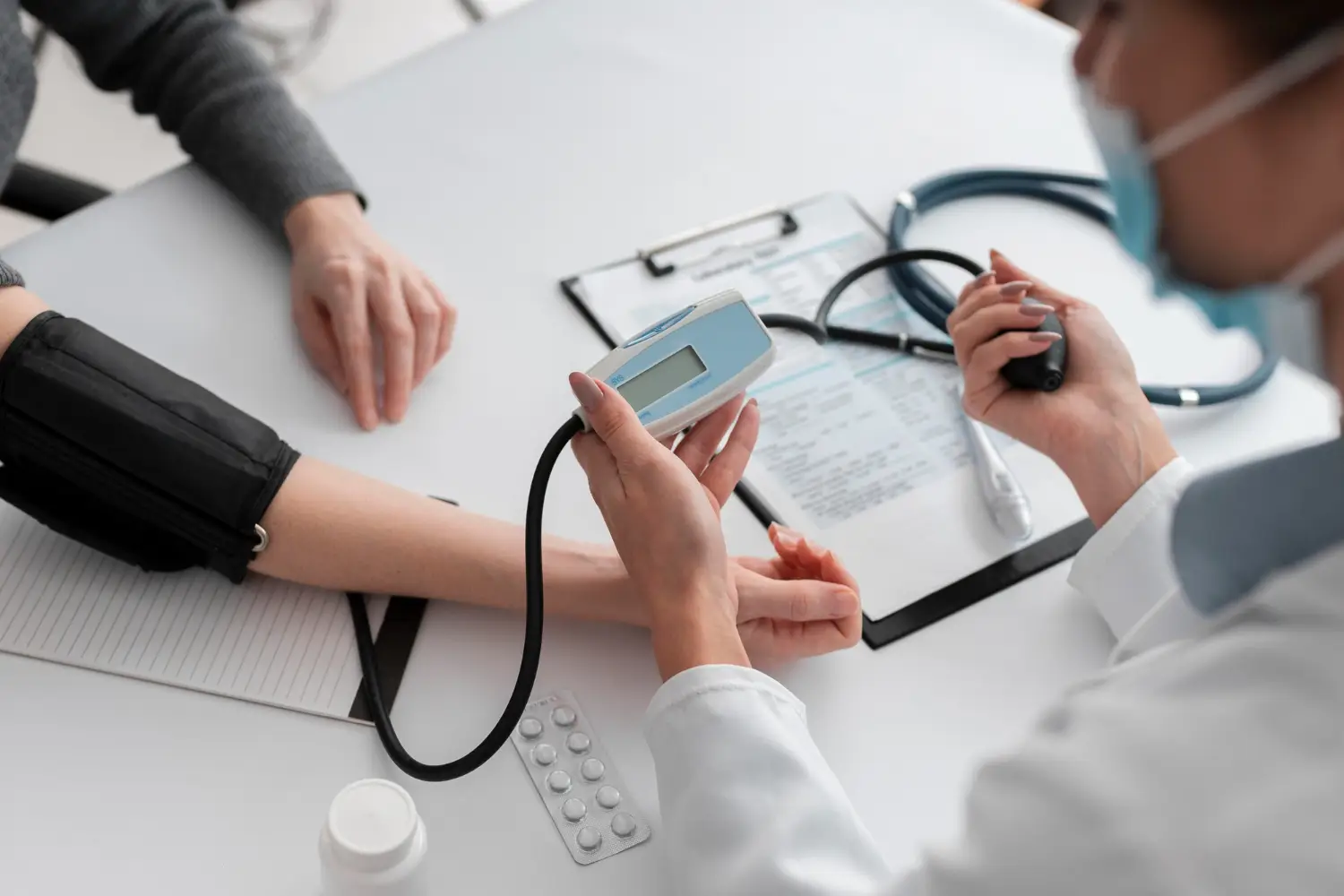
In our fast-paced lives, it’s easy to overlook routine health assessments, yet regular body checks play a critical role in maintaining our overall health and safety. Body checks, which can include physical examinations, screenings, and self-assessments 身體檢查計劃, help identify potential health issues before they escalate into serious problems. They serve as a proactive approach to health, allowing individuals to monitor their physical condition and take necessary actions to improve or maintain their well-being.
One of the primary benefits of body checks is early detection. Many health conditions, such as high blood pressure, diabetes, and certain cancers, often develop without noticeable symptoms. Regular check-ups can help detect these conditions at an early stage, making treatment more effective and less complicated. For example, routine blood tests can identify elevated glucose levels, indicating a risk of diabetes, long before more severe symptoms manifest. Early detection not only saves lives but can also lead to less invasive treatment options and lower healthcare costs.
In addition to disease prevention, body checks also promote awareness of personal health. During physical examinations, healthcare providers assess not just physical conditions but also lifestyle factors such as diet, exercise, and mental health. This holistic approach encourages individuals to engage in discussions about their health, fostering a better understanding of how daily habits affect their overall well-being. Armed with this knowledge, individuals are more likely to make informed lifestyle choices that enhance their health, such as incorporating more physical activity into their routines or adopting healthier eating habits.
Furthermore, body checks are crucial for athletes and those involved in physical activities. Regular assessments help monitor physical fitness, detect injuries, and evaluate recovery progress. For athletes, staying in peak physical condition is vital for performance and injury prevention. Body checks can include assessments of flexibility, strength, and endurance, allowing athletes and coaches to tailor training programs to address specific needs and prevent potential injuries. Additionally, being aware of one’s physical limitations can enhance safety during activities, reducing the risk of accidents or severe injuries.
Mental health is another crucial aspect often evaluated during body checks. Healthcare providers frequently screen for signs of anxiety, depression, and other mental health issues during routine assessments. Mental health is intrinsically linked to physical health; stress and anxiety can manifest in physical symptoms and overall well-being. By addressing mental health concerns during body checks, individuals can receive the necessary support and resources to maintain a balanced state of health. This comprehensive approach underscores the importance of considering mental well-being alongside physical health.
In conclusion, body checks are an essential component of a proactive health management strategy. They facilitate early detection of health issues, promote awareness of personal health, and support overall physical and mental well-being. By prioritizing regular assessments, individuals empower themselves to take control of their health, make informed lifestyle choices, and enhance their quality of life. Whether through routine check-ups, screenings, or self-assessments, incorporating body checks into one’s health regimen is a critical step towards ensuring long-term health and safety.