The Allure and Danger of Counterfeit Currency
In the shadowy corners of the global market, the phrase “buy fake dollars” unveils an underground network dedicated to the creation and distribution of counterfeit currency. This illicit trade, although often glamorized in popular media, holds significant risks and consequences, both for those involved in its trade and for the wider economy. The market for fake dollars, a term encompassing a variety of illegal activities including the production, distribution, and use of counterfeit U.S. currency, is a complex and constantly evolving underworld that operates both in physical back alleys and through the anonymous realms of the internet.
Digital Black Markets: The New Frontier for Counterfeiters
The internet, and more specifically the dark web, has become a thriving marketplace for counterfeit currency. Encrypted and hidden from the conventional web, the dark web hosts a myriad of sites where fake dollars are traded. Transactions in these digital black markets are typically conducted using cryptocurrencies, which offer a layer of anonymity to the buyer and seller. However, it’s not just the anonymity but also the accessibility of these markets that makes the internet an attractive platform for those looking to buy fake dollars.
Technological Evolution in Counterfeiting
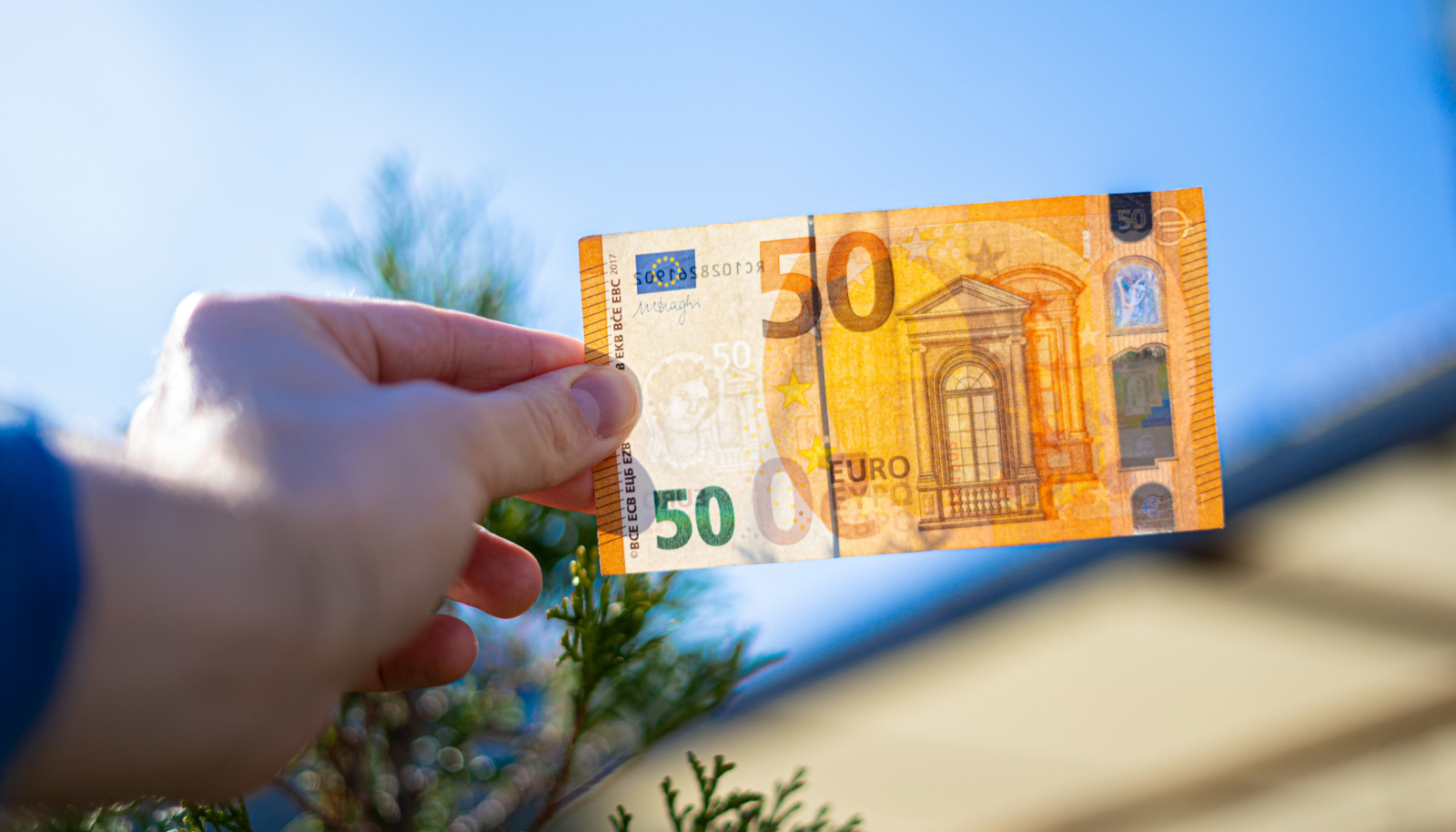
Counterfeiting buy fake dollars is an art that has significantly evolved with technology. Modern counterfeiters use advanced printing and scanning technology to create notes that are increasingly difficult to distinguish from genuine currency. The complexity of U.S. banknotes, with their intricate designs and security features like color-shifting ink, watermarks, and security threads, presents a challenge that counterfeiters meet with innovative, albeit illegal, techniques. This technological arms race continues as authorities develop more sophisticated detection methods, and counterfeiters, in turn, refine their tactics to evade these new measures.
Legal Implications and Global Impact
The trade in counterfeit currency, particularly U.S. dollars, has significant legal and economic implications. Purchasing, using, or possessing counterfeit money is a crime in almost every country, punishable by fines and imprisonment. Beyond legal repercussions for individuals, counterfeit currency undermines the integrity of the financial system. It contributes to economic instability by inflating the money supply and eroding trust in paper currency, which can have ripple effects throughout the global economy.
Combating Counterfeit Currency: Law Enforcement’s Role
Law enforcement agencies around the world expend considerable effort to combat the trade in counterfeit money. This includes targeted operations to shut down counterfeit printing operations, stringent border controls to intercept fake notes, and international cooperation to dismantle global networks involved in the production and distribution of counterfeit currency. The U.S. Secret Service, originally founded to combat the counterfeiting of U.S. currency, plays a leading role in these efforts, working in tandem with other national and international agencies.
Technological Tools and Public Awareness
In the fight against counterfeit currency, technology and public awareness are potent tools. Authorities use advanced equipment to detect fake notes, including machines that can identify discrepancies invisible to the naked eye. Concurrently, central banks and governments run public awareness campaigns to educate people on how to recognize counterfeit currency. This knowledge empowers individuals to identify fake notes, reducing the likelihood of counterfeit money infiltrating the legitimate market.
The Ethics and Morality of Counterfeit Currency
The trade in counterfeit dollars is not just a legal issue but also an ethical one. It raises questions about the moral implications of counterfeiting and its ties to other criminal activities. The production and distribution of counterfeit currency often finance more sinister operations like drug trafficking, human trafficking, and terrorism. This moral dimension adds to the urgency of combating this form of economic crime.
Future Trends and Evolving Challenges
As digital transactions become more prevalent, the nature of counterfeiting and the strategies to combat it are evolving. While the focus has traditionally been on physical notes, digital forms of fraud are becoming more common. This shift requires law enforcement and financial institutions to constantly adapt their strategies and develop new tools to tackle these emerging challenges.
Conclusion: Navigating the Murky Waters
“Undercover Market: Navigating the World of Buying Fake Dollars” sheds light on a hidden world fraught with legal, economic, and ethical perils. It underscores the risks involved in engaging with counterfeit currency and highlights the ongoing efforts to combat this global issue. For individuals, the key takeaway is to remain vigilant and informed, understanding both the allure and the dangers of this underworld market. For authorities and financial institutions, it is a call to continuously evolve and adapt to stay ahead in this ceaseless battle against counterfeit currency.